Monthly Archive February 18, 2026

Bylysanne

cuisinart burr grind and brew manual

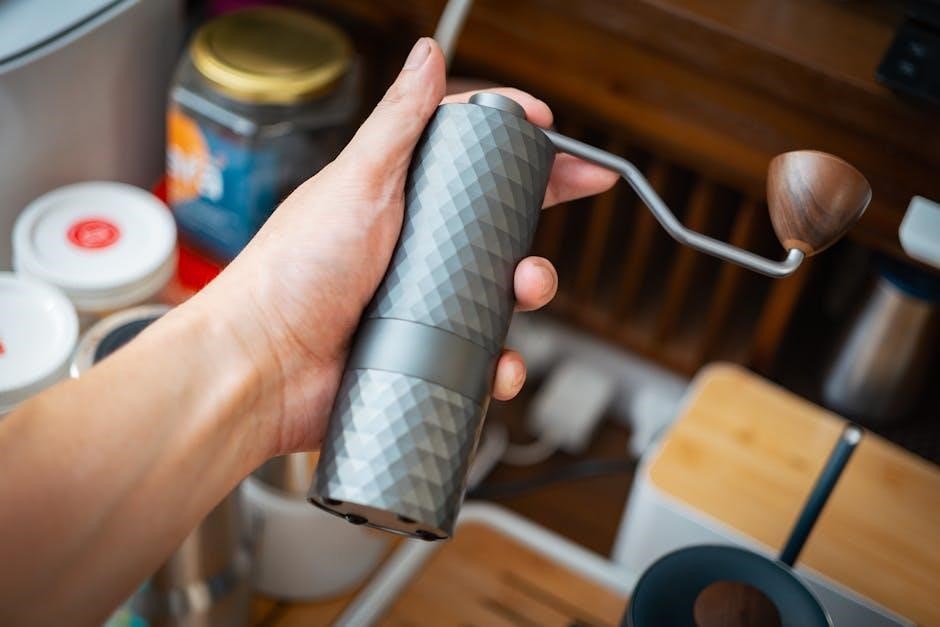
The Cuisinart Burr Grind & Brew, specifically the DGB-850/800 series, offers a comprehensive coffee experience.
This fully automatic coffeemaker combines a burr grinder with a brewing system,
ensuring fresh, flavorful coffee with ease, as detailed in its extensive manual.

Overview of the DGB-850/800 Series

The Cuisinart DGB-850 and DGB-800 series represent a significant step up in home coffee brewing. These models are fully automatic, integrating a conical burr grinder directly into the coffeemaker. This design eliminates the need for a separate grinder, streamlining the process and preserving coffee bean freshness.

The series is designed for 120-volt outlets and compatibility with authorized accessories. The accompanying instruction booklet provides detailed guidance on setup, operation, and maintenance. It’s a 12-cup coffeemaker built to strict specifications, offering programmable features like brew time and strength control. The manual emphasizes proper usage to maximize performance and longevity, ensuring consistently excellent coffee.

Key Features and Benefits

The Cuisinart Burr Grind & Brew boasts several key features highlighted in its manual. The conical burr grinder delivers consistent grind size, crucial for optimal flavor extraction. Programmable features, including brew time and strength control, allow for customization. The automatic function simplifies operation, while the large bean hopper minimizes refills.

Benefits include freshly ground coffee for superior taste, convenience through automation, and durability due to strict manufacturing standards. The manual stresses the importance of authorized accessories and parts. Troubleshooting tips within the booklet help resolve common issues, ensuring a long-lasting and enjoyable coffee experience.

Setting Up Your Cuisinart Burr Grind & Brew

Before first use, the manual advises initial preparation. Familiarize yourself with the control panel and properly position the water reservoir and filter basket for optimal performance.

Initial Preparation Before First Use

Prior to brewing your first pot, the Cuisinart manual stresses the importance of a thorough initial preparation. Begin by removing all packing materials and protective stickers from the unit.
Then, wash the carafe, filter basket, and any removable parts with warm, soapy water; rinse completely.

It’s recommended to run a full brewing cycle with only water – without coffee grounds – to clean the system and ensure optimal performance.
This initial cycle helps to flush out any residual manufacturing residue.
Refer to the manual for detailed descaling instructions if your water is particularly hard, as this can impact the coffeemaker’s longevity.
This simple step guarantees the purest coffee flavor from the start.

Understanding the Control Panel

The Cuisinart DGB-850’s control panel, as outlined in the manual, features intuitive buttons for effortless operation. Key elements include the Power button, Brew/Off button, and Program/Auto-Brew button.
The Brew Strength selector allows you to choose between regular and bold coffee.

The clock display is crucial for programming the auto-brew function, and buttons facilitate setting the desired brew time.
The manual details how to navigate these functions, including adjusting the grind size and selecting the number of cups.
Familiarizing yourself with these controls ensures you can customize your coffee experience precisely to your preferences.

Water Reservoir and Filter Basket

The Cuisinart Burr Grind & Brew features a removable water reservoir, clearly marked with water level indicators for precise filling, as detailed in the manual.
It’s crucial to use fresh, filtered water for optimal coffee flavor.
The reservoir’s design allows for easy removal and cleaning.

The filter basket accommodates a permanent gold-tone filter, eliminating the need for paper filters, though paper filters can be used if preferred.
The manual emphasizes proper placement of the filter and ensuring it’s securely seated.
Regular cleaning of both the reservoir and filter basket is vital for maintaining coffee quality and preventing buildup.

Using the Burr Grinder

The Cuisinart Burr Grind & Brew’s integrated burr grinder delivers consistent grounds.
The manual guides users through adjusting grind size for varied brewing methods,
ensuring optimal flavor extraction from coffee beans.

Adjusting Grind Size

The Cuisinart DGB-850/800 manual emphasizes the importance of grind size for optimal coffee flavor. A coarser grind is recommended for French Press, while a medium grind suits drip coffee makers like this one. For espresso, a fine grind is necessary. The control panel features settings to adjust the burr grinder accordingly.

Experimentation is encouraged to find your preferred taste. Start with the medium setting and adjust incrementally. Finer grinds extract more flavor but can lead to bitterness if over-extracted. Coarser grinds result in weaker coffee. The manual provides a helpful chart as a starting point, but personal preference is key. Remember to only adjust grind size when the bean hopper is full for accurate settings.

Bean Hopper Capacity and Types of Beans

According to the Cuisinart DGB-850/800 manual, the bean hopper has a generous capacity, capable of holding approximately half a pound of coffee beans. This reduces the frequency of refills. The manual advises using whole bean coffee for the freshest flavor, as pre-ground coffee loses its aroma quickly.

Most types of beans – Arabica, Robusta, and blends – are suitable for use. However, avoid oily beans, as they can clog the burr grinder. The manual suggests storing beans in an airtight container in a cool, dark place to maintain freshness. It’s best to avoid flavored beans, as the oils can also contribute to grinder clogging and require more frequent cleaning.

Grinding Coffee Beans – Manual vs. Automatic

The Cuisinart Burr Grind & Brew manual details both manual and automatic grinding options. Automatic grinding allows you to select the number of cups and the grind will be adjusted accordingly before brewing. This is convenient for consistent results. For more control, the manual grind feature lets you choose the precise amount of beans to grind, ideal for experimenting with coffee strength.

The manual emphasizes that the burr grinder delivers a more uniform grind compared to blade grinders, resulting in better flavor extraction. It also notes that the automatic function is optimized for the coffeemaker’s brewing process, ensuring optimal performance.

Brewing Coffee with Your Cuisinart

The Cuisinart manual guides users through programming brew time, controlling brew strength, and utilizing the convenient auto-brew function for freshly brewed coffee.

Programming Brew Time

To program the brew time on your Cuisinart Burr Grind & Brew, as detailed in the manual, press the “PROG” button. The display will flash the hour. Use the “HOUR” and “MIN” buttons to set the desired start time.

Once the time is set, press “PROG” again to confirm. The “AUTO” indicator light will illuminate, confirming the auto-brew function is active. Remember to ensure the water reservoir is filled and the bean hopper contains coffee beans for automatic brewing.

The manual emphasizes that the programmed time will remain in memory even if the unit is unplugged, offering consistent, automated coffee brewing. This feature allows for waking up to a freshly brewed pot!

Brew Strength Control

The Cuisinart Burr Grind & Brew offers adjustable brew strength, a feature explained in the user manual. This allows you to customize your coffee’s flavor profile. To select your preferred strength, press the “STRENGTH” button.

Each press cycles through the options: Regular, Bold, and Extra Bold. The selected strength is indicated on the display. The manual notes that the “Bold” and “Extra Bold” settings utilize a slower brew cycle, extracting more flavor from the coffee grounds.

Experimenting with these settings is encouraged to find your ideal cup. Remember, finer grind settings generally pair well with bolder brew strengths for optimal extraction.

Using the Auto-Brew Function

The Cuisinart Burr Grind & Brew’s Auto-Brew function, detailed in the manual, allows for pre-programmed coffee brewing. First, ensure the unit is plugged in. Press the “AUTO-BREW” button; the indicator light will illuminate. Then, set the desired brew time using the “HOUR” and “MINUTE” buttons.

The manual emphasizes confirming the water reservoir is filled and the bean hopper contains beans. Once set, the coffeemaker will automatically grind and brew at the programmed time. To cancel Auto-Brew, simply press the “AUTO-BREW” button again.

The manual advises testing the function with water only initially to verify proper operation.

Cleaning and Maintenance

Regular cleaning, as outlined in the Cuisinart manual, is crucial for optimal performance.
Daily procedures, descaling, and grinder cleaning ensure longevity and consistently delicious coffee.

Daily Cleaning Procedures

Following each use, the Cuisinart manual recommends several quick daily cleaning steps.
First, unplug the coffeemaker and allow all parts to cool completely.
Remove the filter basket, carafe, and any used coffee grounds.
Wash these components with warm, soapy water and rinse thoroughly.
The carafe is often dishwasher safe, but check the manual for specifics.
Wipe down the exterior of the coffeemaker with a damp cloth.

Crucially, the manual emphasizes avoiding abrasive cleaners, which can damage the finish.
Empty the drip tray regularly to prevent overflow.
These simple daily habits contribute significantly to maintaining the coffeemaker’s performance and extending its lifespan, ensuring consistently great coffee;

Descaling the Coffeemaker

The Cuisinart manual stresses the importance of descaling to remove mineral buildup.
Frequency depends on water hardness, but generally, every 3-6 months is recommended.
Use a commercial descaling solution or a mixture of white vinegar and water.
Follow the manual’s specific instructions for the DGB-850/800 series.
Typically, this involves filling the water reservoir with the descaling solution and running a full brew cycle without coffee.

Repeat this process with fresh water several times to rinse thoroughly.
Failure to descale can lead to reduced brewing performance and potential damage.
The manual provides detailed guidance to ensure proper descaling, maintaining optimal coffee flavor and coffeemaker longevity.

Cleaning the Burr Grinder

The Cuisinart manual advises regular cleaning of the burr grinder to maintain performance.
Unplug the unit and remove the bean hopper and grinding chamber cover.
Use a soft brush – never water or detergent – to remove coffee grounds from the burrs.
A small vacuum cleaner attachment can also be helpful for removing stubborn residue.

Avoid disassembling the burr grinder further, as this could damage the mechanism.
The manual emphasizes that only the visible parts should be cleaned.
Regular cleaning prevents oil buildup and ensures consistent grind size, contributing to better coffee flavor and extending the grinder’s lifespan.

Troubleshooting Common Issues

The Cuisinart manual provides solutions for issues like the unit not powering on, grinder malfunctions,
or brewing problems – weak or strong coffee – to ensure optimal operation;

Coffee Maker Not Turning On

If your Cuisinart Burr Grind & Brew fails to power on, the manual suggests several checks. First, verify the power cord is securely plugged into a functioning 120-volt outlet.
Then, ensure the outlet itself is receiving power by testing it with another appliance.

Check the circuit breaker or fuse box to confirm the circuit hasn’t tripped or blown.
Confirm the unit’s On/Off switch is fully engaged.
If these steps don’t resolve the issue, consult the manual’s troubleshooting section for further guidance,
or contact Cuisinart customer support for assistance, as detailed in the warranty information.

Do not attempt to disassemble or repair the unit yourself.

Grinder Not Working

If the burr grinder isn’t functioning, the Cuisinart manual advises checking the bean hopper first. Ensure it’s properly seated and contains an adequate amount of coffee beans. Verify there are no obstructions within the hopper or grinder mechanism.

Confirm the grind size setting isn’t set to the finest level, which can sometimes cause jams. Try using a different type of bean to rule out bean-specific issues.
If the grinder still won’t operate, refer to the manual’s troubleshooting section for specific instructions. Contact Cuisinart support if the problem persists, referencing your warranty details.

Never insert foreign objects into the grinder.

Brewing Issues (Weak/Strong Coffee)

To address weak coffee, the Cuisinart manual suggests using the ‘Brew Strength Control’ feature, selecting a bolder setting. Increase the amount of coffee beans in the hopper for a more concentrated brew. Ensure you’re using fresh, quality coffee beans, as stale beans lose flavor.

For overly strong coffee, decrease the bean quantity or select a milder brew strength. Adjust the grind size to a coarser setting, reducing extraction. Verify the water reservoir is filled to the correct level. Regular cleaning and descaling, as outlined in the manual, also impact brew quality.

Safety Precautions

The Cuisinart manual emphasizes using only 120-volt outlets with authorized accessories. Always unplug the coffeemaker before cleaning, and never immerse it in water.

Electrical Safety Guidelines

The Cuisinart Burr Grind & Brew manual provides crucial electrical safety guidelines for optimal and safe operation. Always ensure the voltage of your outlet matches the appliance’s specifications – strictly 120 volts. Never operate the coffeemaker with a damaged cord or plug; immediate replacement is essential. Avoid using extension cords, but if absolutely necessary, use a heavy-duty cord appropriately rated for the appliance’s wattage.

Do not immerse the coffeemaker, cord, or plug in water or other liquids to prevent electric shock. Unplug the appliance from the outlet when not in use and before cleaning. Handle the plug and cord with care, avoiding any pulling or straining. Regularly inspect the cord for damage, and discontinue use if any issues are detected. Proper grounding is vital for safety, so do not modify the plug.

Proper Usage and Handling

The Cuisinart Burr Grind & Brew manual emphasizes careful usage and handling for longevity. Always place the coffeemaker on a stable, level surface away from water sources. Ensure the bean hopper is securely fastened before grinding. Never operate the grinder or brewer without the proper components in place, like the filter basket. Avoid overfilling the water reservoir or bean hopper.

Do not touch hot surfaces during or immediately after brewing. Use caution when handling freshly brewed coffee. Regularly check for any signs of wear or damage to the appliance. Never attempt to disassemble or repair the coffeemaker yourself; contact authorized service personnel. Follow the recommended cleaning schedule to maintain optimal performance and prevent issues.

Warranty Information

The Cuisinart warranty details are found within the DGB-850/800 manual, covering manufacturing defects. Contact customer support for claims or assistance with your appliance.

Cuisinart Warranty Details

Cuisinart provides a limited warranty for the Burr Grind & Brew coffeemaker, as thoroughly outlined in the product manual. Typically, this covers defects in materials and workmanship for a specified period from the date of original purchase. The standard warranty duration is often one year, but it’s crucial to consult the manual for precise terms and conditions.

The warranty generally excludes damage resulting from misuse, accidents, unauthorized repairs, or normal wear and tear. To make a warranty claim, retain your proof of purchase and contact Cuisinart’s customer support team. They will guide you through the process, which may involve returning the appliance for inspection or repair. Always refer to the manual for complete warranty information.

Contacting Customer Support

Cuisinart offers multiple avenues for customer support regarding the Burr Grind & Brew coffeemaker, detailed within the product manual. You can reach them via phone, allowing for direct assistance with any questions or concerns. Their website provides a comprehensive FAQ section and access to downloadable manuals.

Additionally, Cuisinart offers email support for less urgent inquiries. When contacting support, have your model number (DGB-850/800) and proof of purchase readily available. This streamlines the process and ensures efficient assistance. The manual often includes specific contact details, including phone numbers and email addresses, for your region. Prompt and helpful support is a Cuisinart priority.

Bylysanne

honeywell activlink doorbell manual

Honeywell ActivLink Doorbell Manual: Comprehensive Guide

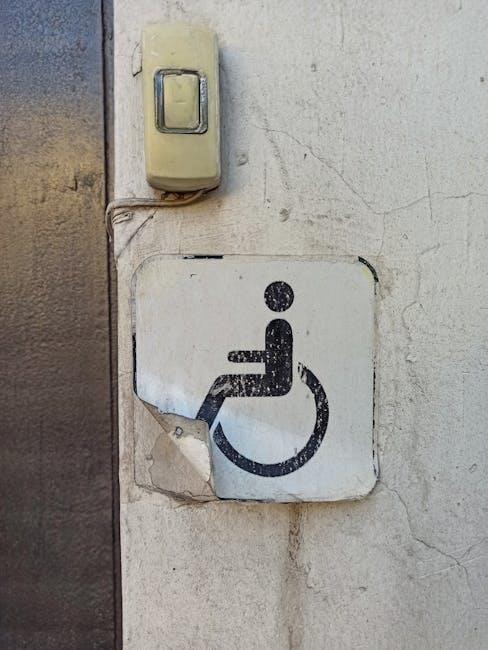
This comprehensive guide details the Honeywell ActivLink doorbell system, covering installation, setup, troubleshooting, and advanced features for optimal performance and user experience.

The Honeywell ActivLink Doorbell system offers a reliable and convenient wireless solution for home security and accessibility. This system, utilizing a 916.8 MHz frequency, provides a robust connection between the doorbell push button and the receiver/chime unit. Designed for both portable and wired applications (DC915/7XX and DW915XX models), it caters to diverse installation needs.

The ActivLink system aims to enhance your home’s welcoming experience with customizable chime tones and adjustable volume levels. It’s engineered for ease of use, featuring a straightforward pairing process and intuitive controls. Furthermore, compatibility with wireless motion sensors expands its functionality beyond a simple doorbell, offering a more comprehensive security solution. This manual provides detailed instructions to ensure a smooth installation and optimal performance of your Honeywell ActivLink Doorbell.

Understanding the ActivLink System

The Honeywell ActivLink system operates as a wireless communication network between the doorbell push button – functioning as the transmitter – and the receiver/chime unit. This system utilizes a dedicated 916.8 MHz frequency to ensure a stable and secure connection, minimizing interference. The range in an open field is approximately 250 ft, though factors like walls and obstructions can affect signal strength.

Understanding the system’s components is crucial for successful installation and operation. Weak batteries significantly reduce the operational range, particularly in colder temperatures (below 5ºC/23F). The system supports additional transmitters, such as wireless motion sensors, expanding its capabilities. Proper setup and maintenance, including regular battery checks, are essential for reliable performance. For assistance, Honeywell provides resources on their website and via customer support at 1-800-633-3991.

Kit Contents and Components

Your Honeywell ActivLink doorbell kit includes essential components for a straightforward installation. Depending on your specific kit (DC91X or DW915XX models), you’ll find a doorbell wall mounting bracket – with variations for each model type. The kit also contains the doorbell push button itself, designed to transmit the signal to the receiver.

Crucially, batteries are required for operation, though they may or may not be included depending on the package. The receiver/chime unit is the component that audibly alerts you to visitors. Review the contents carefully to ensure all parts are present before beginning installation. Phillips screwdrivers are necessary for mounting, but are not typically included. Refer to the included documentation for a detailed inventory specific to your purchased kit, and for guidance on identifying each component.

Installation Process

Proper installation ensures reliable operation of your Honeywell ActivLink doorbell system; carefully follow these steps for mounting, wiring, and receiver placement.

Tools Required for Installation

Before beginning the installation of your Honeywell ActivLink doorbell, gathering the necessary tools will streamline the process and ensure a secure, functional setup. A Phillips head screwdriver is essential for mounting both the doorbell push button and the receiver/chime unit to their respective locations.

Depending on your existing doorbell wiring, you may also require a small flathead screwdriver for terminal connections. For wall mounting, a drill with appropriate drill bits for your wall type (wood, drywall, or brick) is highly recommended. A pencil is useful for marking screw locations accurately.

Additionally, wire strippers may be needed if you are connecting to existing doorbell wiring. A voltage tester is crucial for safety, confirming power is off before working with wires. Finally, consider having a level on hand to ensure the doorbell and receiver are mounted straight for aesthetic appeal and proper functionality.

Mounting the Doorbell Push Button

To mount the Honeywell ActivLink doorbell push button, begin by selecting a suitable location near your entryway. Utilize the provided doorbell wall mounting bracket, choosing the appropriate one for your model – DC91X or DW915. Position the bracket on the desired surface and mark the screw holes with a pencil.

Pre-drill holes if necessary, ensuring they align with the bracket’s mounting points. Secure the bracket to the wall using the provided screws. Carefully attach the doorbell push button to the mounted bracket, ensuring it clicks firmly into place.

For wired installations, route the existing doorbell wires through the opening in the button’s base before securing it. Ensure the wires are neatly tucked away and do not interfere with the button’s operation. Double-check the button is securely fastened and level before proceeding.

Wiring the Doorbell (if applicable)

If your installation requires wiring, carefully disconnect power to your existing doorbell system at the breaker box to prevent electrical shock. Identify the existing doorbell wires – typically two wires connected to the old push button. Loosen the terminal screws on the back of the Honeywell ActivLink push button.

Connect the existing doorbell wires to the terminals on the new push button, ensuring a secure connection. It usually doesn’t matter which wire goes to which terminal. Gently tuck the wires back into the wall cavity, avoiding any pinching or strain.

Secure the push button to the mounting bracket, ensuring the wires remain neatly contained. Restore power to the doorbell system at the breaker box. Test the system to confirm proper functionality. If the doorbell doesn’t work, double-check all wiring connections;

Installing the Receiver/Chime Unit

Choose a suitable location for the receiver/chime unit, ensuring it’s within range of the doorbell push button and near a power outlet. Avoid placing it near metal objects or other electronic devices that could interfere with the signal. Plug the receiver into a standard electrical outlet.

For portable units, insert batteries according to the polarity markings inside the battery compartment. Ensure the batteries are fresh for optimal performance. Some models may offer wall-mounting options; if so, use appropriate screws and anchors for secure installation.

Once powered, the receiver will enter pairing mode (refer to the ‘Pairing’ section). Adjust the volume level to your preference using the controls on the receiver. Test the system by pressing the doorbell push button to confirm the chime sounds correctly.

Configuration and Setup

Successfully pairing the doorbell, adjusting volume, selecting a chime tone, and optimizing signal strength are crucial steps for a personalized experience.

Pairing the Doorbell Push Button with the Receiver

Establishing a connection between the doorbell push button and the receiver unit is a fundamental step in the setup process. Typically, this involves accessing the receiver’s programming mode. Press and hold the ‘Setting’ button on the receiver while simultaneously replacing the battery in the doorbell push button. This action initiates the pairing sequence.

The receiver will acknowledge successful pairing with a series of rapid beeps, confirming the devices are now synchronized. If pairing fails, ensure the push button is within range of the receiver and repeat the process. Weak batteries can hinder the pairing process, so using fresh batteries is recommended. Proper pairing ensures reliable operation and responsiveness of your Honeywell ActivLink doorbell system, allowing for seamless communication between the button and chime.

Setting the Volume Level

Adjusting the volume of your Honeywell ActivLink doorbell receiver is easily customizable to suit your preferences and environment. Most models feature volume control buttons, typically located on the side or back of the receiver unit. Pressing these buttons allows you to cycle through various volume levels, ranging from a soft chime to a louder, more prominent alert.

Carefully select a volume that is audible throughout your home, ensuring you don’t miss visitors, but isn’t disruptive to household members or neighbors. Experiment with different settings to find the optimal balance; Some receivers may also offer a mute function for times when you prefer complete silence. Remember to test the volume after each adjustment to confirm your desired level.

Choosing a Chime Tone

Personalize your Honeywell ActivLink doorbell experience by selecting from a variety of chime tones. The receiver unit typically offers multiple pre-programmed sounds, allowing you to choose a melody that best suits your taste and home environment. A small button, often labeled “Chime” or “Tone,” controls the selection process.

Pressing this button cycles through the available options – from traditional dings and dongs to more modern and whimsical melodies. Listen carefully to each tone before making your final selection. Consider choosing a chime that is easily distinguishable from other household sounds, ensuring you never miss a visitor. Some advanced models may even allow for custom chime uploads via a connected app.

Adjusting the Range and Signal Strength

Optimizing the range of your Honeywell ActivLink doorbell is crucial for reliable performance. The stated operating range is 250ft in an open field, but walls and interference can significantly reduce this. If experiencing a weak signal, first, move the doorbell receiver closer to the push button. Weak batteries in either the push button or receiver are a common cause of reduced range; replace them with fresh ones.

Avoid placing the receiver near sources of interference like microwaves or other wireless devices. Ensure a clear line of sight, as much as possible, between the transmitter (push button) and receiver. Cold temperatures can also affect battery performance, potentially shortening the range. If issues persist, consult the Honeywell Home website for further assistance.

Troubleshooting Common Issues

This section provides solutions for typical problems, including a doorbell that won’t ring, weak signals, battery concerns, and a non-responsive receiver unit.

Doorbell Not Ringing

If your Honeywell ActivLink doorbell isn’t ringing, several factors could be at play. First, verify the receiver unit has sufficient power and is within range of the doorbell push button.

Check the batteries in both the push button and the receiver; weak batteries are a common culprit, especially in colder temperatures. Ensure the volume on the receiver isn’t muted or set too low.

Confirm the doorbell push button and receiver are properly paired – refer to the ‘Pairing’ section for instructions.

Obstructions like thick walls or metal objects can interfere with the signal. Try moving the receiver closer to the push button to test this.

Finally, a factory reset of both devices (as detailed in the ‘Advanced Features’ section) can often resolve persistent issues.

Weak Signal or Limited Range

Experiencing a weak signal or limited range with your Honeywell ActivLink doorbell? Several factors can contribute to this issue. Primarily, battery strength in the push button significantly impacts transmission distance; replace them with fresh batteries.

Environmental factors play a role – thick walls, metal siding, and interference from other wireless devices can all reduce the effective range. Try relocating the receiver to a more central, open location.

The stated operating range is 250ft in an open field; real-world conditions will likely reduce this.

Move the doorbell closer to the push button to test if distance is the problem.

Ensure there are no major obstructions directly between the transmitter (push button) and the receiver.

Battery Issues and Replacement

Battery performance is crucial for the reliable operation of your Honeywell ActivLink doorbell. Weak batteries are a common cause of issues, including a reduced operating range and failure to transmit signals. Regularly check the battery level in the doorbell push button.

When replacing batteries, ensure you use the correct type as specified in the manual. Incorrect batteries can damage the device or lead to inconsistent performance.

To reset the doorbell and optimize battery function, press and hold the Setting button while simultaneously replacing the battery.

Cold temperatures can also diminish battery life; consider this in colder climates.

For optimal performance, replace batteries proactively, even if the doorbell still functions.

Receiver Not Responding

If your Honeywell ActivLink receiver isn’t responding, several factors could be at play. First, verify the receiver is properly plugged in and receiving power. Check the power outlet to ensure it’s functioning correctly by testing with another device.

Next, confirm the receiver is within range of the doorbell push button. Excessive distance or obstructions like walls can weaken the signal. Try moving the receiver closer to the button temporarily to test connectivity.

Ensure the doorbell push button is transmitting a signal; a weak battery can cause this issue.

Finally, attempt a factory reset of both the doorbell and receiver following the instructions in the manual.

If problems persist, contact Honeywell support for assistance.

Advanced Features

Explore factory resetting options, operating temperature guidelines, and compatibility with wireless motion sensors to maximize your Honeywell ActivLink doorbell’s capabilities.

Factory Resetting the Doorbell

Performing a factory reset on your Honeywell ActivLink doorbell returns it to its original settings, effectively clearing any custom configurations you’ve made. This is particularly useful when experiencing persistent issues with pairing, signal strength, or general functionality that cannot be resolved through standard troubleshooting steps.

To initiate a factory reset, locate the ‘Setting’ button on the doorbell push button unit. Simultaneously press and hold this button while also replacing the battery within the device. The doorbell will then emit a series of rapid beeps, indicating that the reset process has begun and is successfully underway.

Continue holding the button until the beeping ceases, confirming the completion of the reset. Following this, you will need to re-pair the doorbell push button with the receiver/chime unit, and reconfigure any personalized settings, such as volume levels and chime tones, as desired.

Operating Temperature Considerations

The Honeywell ActivLink doorbell is designed to function reliably within a specific temperature range. Optimal performance is generally achieved between 23°F to 104°F (-5ºC to 40ºC) for the doorbell push button itself. However, the receiver/chime unit can operate in a broader range, extending down to -4°F (-20ºC) and up to 122°F (50ºC).

It’s crucial to be aware that extreme temperatures can impact battery life and signal strength. In colder conditions, particularly below 5ºC, batteries may experience reduced capacity, leading to a shorter operational lifespan and potentially diminished range. Conversely, excessively high temperatures can also negatively affect battery performance.

If you reside in an area with significant temperature fluctuations, consider these factors when positioning the doorbell and anticipate the need for more frequent battery replacements during extreme weather conditions to ensure consistent functionality.

Wireless Motion Sensor Compatibility

The Honeywell ActivLink system is designed to integrate seamlessly with compatible wireless motion sensors, expanding its functionality beyond a simple doorbell. These sensors act as additional transmitters within the system, triggering alerts at the receiver/chime unit when motion is detected. This provides an added layer of security and awareness around your property.

The doorbell push button itself is considered a transmitter, and the wireless motion sensors operate on the same principle, communicating wirelessly with the receiver. This allows for a flexible and scalable security setup, easily adding sensors to cover various entry points or vulnerable areas.

For optimal performance and compatibility, ensure that any added motion sensors are specifically designed for use with the Honeywell ActivLink 916.8 MHz system. Refer to the Honeywell Home website for a list of compatible devices and detailed integration instructions.

Technical Specifications

This section outlines key technical details of the Honeywell ActivLink doorbell, including frequency, operating range, and power source information for informed usage.

Frequency: 916.8 MHz

The Honeywell ActivLink doorbell system operates on a frequency of 916.8 MHz. This specific frequency is chosen for reliable wireless communication, minimizing interference from common household devices. Utilizing this frequency allows for a stable connection between the doorbell push button and the receiver/chime unit, ensuring consistent performance.

It’s important to note that this frequency is specific to certain regions and may vary depending on local regulations. The 916.8 MHz frequency provides a good balance between range and signal penetration, making it suitable for most residential applications. Interference from other devices operating on similar frequencies is minimized due to the specific channel selection within the 916.8 MHz band.

Understanding the operating frequency is crucial for troubleshooting potential signal issues and ensuring optimal system functionality.

Operating Range (Open Field)

The Honeywell ActivLink doorbell boasts an operating range of up to 250 feet in an open field environment. This signifies the maximum distance achievable between the doorbell push button and the receiver unit without obstructions impacting signal strength. However, it’s crucial to understand that real-world conditions often deviate from ideal open-field scenarios.

Walls, doors, furniture, and even trees can significantly reduce the effective range. Factors like building materials and interference from other wireless devices also play a role. Weak batteries in either the push button or receiver will demonstrably reduce the operational range.

If experiencing connectivity issues, moving the doorbell closer to the receiver is recommended.

Power Source and Battery Life

The Honeywell ActivLink doorbell push button operates on battery power, providing a wireless and flexible installation option. Specific battery types and longevity will vary depending on the model and usage frequency. It’s essential to use high-quality batteries for optimal performance and extended life.

Cold temperatures can negatively impact battery performance, potentially reducing operational range and requiring more frequent replacements. Regularly check the battery level and replace them proactively to avoid interruptions in service.

The receiver/chime unit typically requires a standard AC power outlet for operation, ensuring continuous functionality.

Support and Resources

For assistance, visit honeywellhome.com or contact customer support at 1-800-633-3991; downloadable manuals are also readily available online.

Honeywell Home Website

The Honeywell Home website (honeywellhome.com) serves as a central hub for all your ActivLink doorbell needs. Here, you’ll discover a wealth of resources designed to enhance your experience and provide solutions to common questions.

You can easily access downloadable versions of the complete installation and operation guide, ensuring you have a readily available reference during setup or troubleshooting. The website also features a comprehensive FAQ section addressing frequently asked questions about the doorbell’s functionality, pairing process, and potential issues.

Furthermore, Honeywell Home provides access to helpful video tutorials demonstrating the installation process step-by-step, as well as guides for configuring advanced features; The site allows you to register your product for warranty purposes and provides access to software updates if available. Explore the support section for detailed troubleshooting guides and contact information for direct assistance from Honeywell’s customer support team.

Customer Support Phone Number

For immediate assistance with your Honeywell ActivLink doorbell, or if you encounter any difficulties not addressed in the manual or online resources, Honeywell’s dedicated customer support team is readily available. You can reach them by phone at 1-800-633-3991.

This phone number connects you directly to knowledgeable representatives who can provide expert guidance on installation, configuration, troubleshooting, and advanced features. Be prepared to have your doorbell model number and purchase date available to expedite the support process.

The support team can assist with issues such as pairing problems, weak signal strength, battery concerns, or any other operational challenges you may face. They can also clarify specific instructions from the manual and offer personalized solutions tailored to your setup. Remember to clearly describe the issue you are experiencing to ensure efficient and effective support.

Manual Download Location

Should you require a digital copy of the Honeywell ActivLink Doorbell Manual, or prefer to access it directly from your computer or mobile device, it is readily available for download on the official Honeywell Home website. Visiting honeywellhome.com provides access to the most up-to-date version of the manual, ensuring you have the latest information and troubleshooting guidance.

The downloadable manual mirrors the printed version, containing detailed instructions on installation, configuration, operation, and troubleshooting. It’s a convenient resource for quick reference or for those who prefer digital documentation.

You can easily search for your specific doorbell model on the website to locate the corresponding manual. Downloading the manual allows you to keep a backup copy for future reference and ensures you always have access to essential information, even without an internet connection.

Bylysanne

tv guide west palm beach

TV Guide West Palm Beach: Comprehensive Listings & Information (02/04/2026)

Welcome to your ultimate source for West Palm Beach television listings! Discover detailed schedules for local channels, including WPTV, WTCN, and WPEC,
covering sports, news, and entertainment.

Local Channel Listings Overview

West Palm Beach viewers enjoy a diverse range of local television channels, offering everything from local news and weather to national programming and specialized entertainment. WPTV-DT (NBC 5.1) delivers a mix of network shows, local news broadcasts, and community-focused content. WPTV-DT2 (ION 5.2) provides a selection of classic and current television series, often including crime dramas and reality shows. WPTV-DT3 (LAFF 5.3) focuses on comedic programming, offering a continuous stream of sitcoms and lighthearted entertainment.

My15 WTCN-TV serves as a key local station, broadcasting sports events, local news updates, and a variety of entertainment options to the Treasure Coast area and surrounding communities like Palm Beach Gardens and Boynton Beach. WPEC CBS 12 is a leading source for local news, weather coverage, and community events, keeping residents informed about happenings in West Palm Beach and South Florida. These channels, alongside others available through cable and satellite providers, ensure a comprehensive viewing experience for all residents.

Regularly checking local listings is crucial to staying up-to-date with program schedules and special broadcasts.

Major Network Schedules (ABC, CBS, NBC, FOX)

West Palm Beach viewers have access to the full lineups of the major broadcast networks: ABC, CBS, NBC, and FOX. NBC, through WPTV-DT (5.1), typically features morning news programs like “Today with Jenna & Sheinelle”, followed by daytime talk shows, primetime dramas, comedies, and late-night programming. CBS, on WPEC CBS 12, offers a similar schedule, including news, daytime shows, primetime entertainment, and sports coverage.

ABC programming, while not directly mentioned in the provided text, generally includes popular dramas, comedies, reality competitions, and news broadcasts. FOX provides a mix of sports, news, animated shows, and live events. These networks consistently update their schedules with new series, returning favorites, and special events throughout the year.

Staying informed about network schedules allows viewers to plan their viewing around must-see shows and live broadcasts. Checking weekly TV guides or online listings is recommended to confirm specific program times and avoid missing favorite programs.

Cable & Satellite Provider Listings (Xfinity, AT&T U-verse, Hotwire)

West Palm Beach residents relying on cable and satellite television have a wide array of channel options through providers like Xfinity, AT&T U-verse, and Hotwire. These providers offer expanded programming beyond local broadcast networks, including numerous cable channels dedicated to news, sports, entertainment, and specialized interests.

Xfinity typically provides a comprehensive channel lineup with various tiers of service, including premium movie channels and sports packages. AT&T U-verse offers similar options, often bundled with internet and phone services. Hotwire, while potentially offering fewer channels, may provide competitive pricing and high-speed internet.

Accessing TV listings for these providers often requires using their respective online guides or mobile apps. These platforms allow users to search for programs by channel, time, or title, and set reminders for upcoming shows. It’s crucial to consult the specific provider’s guide for accurate and up-to-date listings.

WPTV-DT (NBC 5.1) Programming Highlights

WPTV, the local NBC affiliate (5.1), delivers a diverse programming schedule to West Palm Beach viewers. As of February 4th, 2026, expect a mix of national NBC broadcasts, local news, and syndicated content. Morning programming features “Today with Jenna & Sheinelle,” providing news, lifestyle segments, and weather updates relevant to the region.

Throughout the day, WPTV broadcasts NBC’s daytime lineup, followed by local news broadcasts covering Palm Beach County and surrounding areas. Prime time features popular NBC shows, including dramas, comedies, and reality competitions. Late-night programming typically includes “The Tonight Show Starring Jimmy Fallon” and late local news.

WPTV also dedicates airtime to local community events and public affairs programming. Check the daily listings for specific showtimes and special broadcasts. Don’t forget to explore their digital platforms for streaming options and extended content!

WPTV-DT2 (ION 5.2) Programming Highlights

WPTV-DT2, broadcasting on channel 5.2 as ION, offers a distinct programming lineup compared to its parent channel. Viewers in the West Palm Beach area can anticipate a schedule heavily focused on crime dramas, action movies, and classic television series. As of February 4th, 2026, ION 5.2 is showcasing reruns of popular procedural dramas, providing a consistent stream of engaging entertainment.

A notable program currently airing is “Sue Thomas: F.B.Eye,” a long-running series appealing to fans of investigative television. ION’s programming strategy centers around providing readily accessible, familiar content, often appealing to a broad demographic. Expect a mix of syndicated shows and ION original productions throughout the day and evening.

While WPTV-DT2 doesn’t typically feature local news or community programming, it serves as a valuable alternative for viewers seeking a different entertainment experience. Check local listings for specific showtimes and any potential schedule changes.

WPTV-DT3 (LAFF 5.3) Programming Highlights

WPTV-DT3, operating as LAFF on channel 5.3, delivers a comedic escape for West Palm Beach television viewers. This digital subchannel specializes in classic and contemporary sitcoms, offering a lighthearted alternative to more dramatic programming options. As of February 4th, 2026, LAFF 5.3 is featuring reruns of beloved sitcoms, providing a nostalgic trip for long-time fans and an introduction for new audiences.

Currently, the channel is broadcasting episodes of “Grounded for Life,” a sitcom known for its relatable family dynamics and humorous storylines. LAFF’s programming strategy revolves around providing consistent laughs with a diverse selection of comedic series. Viewers can expect a rotation of popular sitcoms throughout the day and evening, creating a comfortable and entertaining viewing experience.

Unlike its sister channels, WPTV-DT3 primarily focuses on comedy, foregoing local news or in-depth programming. It’s a perfect choice for those seeking a relaxing and enjoyable television experience.

My15 WTCN-TV Channel Guide

My15 WTCN-TV serves the West Palm Beach and Treasure Coast region with a diverse programming lineup encompassing sports, local news, and entertainment. As a key local channel, WTCN caters to a broad audience across communities like Palm Beach Gardens, Greenacres, and Boynton Beach. The channel aims to provide relevant content for residents throughout Palm Beach County and beyond.

WTCN’s programming includes a mix of syndicated shows, sporting events, and locally produced content. While specific schedules vary, viewers can generally expect a blend of action, drama, and reality television. The channel also dedicates airtime to community-focused programming, highlighting local events and initiatives.

My15 strives to be a comprehensive source of information and entertainment for the region. It’s a valuable resource for staying informed about local happenings and enjoying a variety of television programs. Check local listings for the most up-to-date schedule and program details.

WPEC CBS 12 Local News & Programming

WPEC CBS 12 is a leading news source for West Palm Beach and the surrounding South Florida communities. Dedicated to delivering comprehensive coverage, CBS 12 provides local news, weather updates, sports reports, and traffic information to keep residents informed. The station serves towns including Palm Beach Gardens, Jupiter, and Delray Beach, ensuring widespread access to vital local content.

Beyond news, WPEC offers a range of programming, including national CBS broadcasts and locally produced shows. Viewers can expect in-depth investigations, community spotlights, and coverage of important local events. The station’s commitment extends to providing accurate and timely information during severe weather events, prioritizing public safety.

CBS 12’s digital platforms complement its broadcast coverage, offering streaming news, interactive weather maps, and on-demand video content. It’s a trusted resource for staying connected to the West Palm Beach area and informed about the issues that matter most.

Sports Programming Available in West Palm Beach

West Palm Beach viewers have access to a diverse range of sports programming across various channels. Major networks like CBS (via WPEC) broadcast national sporting events, including NFL football, college basketball, and golf tournaments. NBC (on WPTV) also features prominent sports coverage, such as the Olympics and Premier League soccer.

For local sports enthusiasts, My15 WTCN-TV often carries high school sports and regional college games, providing a platform for showcasing local athletes. Cable and satellite providers like Xfinity and AT&T U-verse offer dedicated sports channels, including ESPN, Fox Sports, and regional sports networks.

These channels deliver live games, sports news, analysis, and highlight shows. Streaming services also provide access to a wider selection of sports content. Whether you’re a fan of professional leagues or local teams, West Palm Beach offers ample opportunities to catch the action.

Weather Coverage on Local West Palm Beach Channels

West Palm Beach residents rely on local television channels for up-to-the-minute weather forecasts, especially given Florida’s dynamic climate. WPTV (NBC 5.1) and WPEC (CBS 12) dedicate significant airtime to weather reports, featuring live radar, detailed analyses, and severe weather alerts. These stations employ experienced meteorologists who provide comprehensive coverage of tropical storms, hurricanes, and everyday weather patterns;

Regular weather updates are integrated into local news broadcasts throughout the day, ensuring viewers are informed about changing conditions. Dedicated weather segments offer extended forecasts and in-depth discussions of potential hazards.

Beyond traditional broadcasts, these channels extend their weather coverage to their websites and mobile apps, providing real-time radar maps, hourly forecasts, and push notifications for severe weather warnings. My15 WTCN-TV also incorporates weather updates into its programming, contributing to a well-informed community.

Entertainment Programming Options

West Palm Beach viewers have a diverse range of entertainment options available across local channels and streaming services. WPTV (NBC 5.1) broadcasts popular network shows, including dramas, comedies, and reality television. WPEC (CBS 12) offers similar programming, alongside special events and award shows. For those seeking classic television, WPTV-DT2 (ION 5.2) features reruns like “Sue Thomas: F.B.Eye”, while WPTV-DT3 (LAFF 5.3) showcases sitcoms such as “Grounded for Life”.

My15 WTCN-TV provides a mix of syndicated programs and local entertainment content. Cable and satellite providers like Xfinity, AT&T U-verse, and Hotwire expand these choices with hundreds of additional channels, including premium movie networks and specialized entertainment offerings.

Don’t forget streaming platforms! Many residents supplement their traditional TV viewing with services offering on-demand movies, series, and original programming, creating a truly personalized entertainment experience.

Specific Program Listings for Today (02/04/2026)

Here’s a glimpse of what’s airing on West Palm Beach television today, February 4th, 2026. On WPTV-DT (NBC 5.1), “Today with Jenna & Sheinelle” kicks off the morning, followed by daytime programming and primetime network shows. WPEC (CBS 12) features local news broadcasts throughout the day, interspersed with CBS network entertainment. Check local listings for specific times.

WPTV-DT2 (ION 5.2) is currently showing reruns of “Sue Thomas: F.B.Eye” offering a nostalgic viewing experience. WPTV-DT3 (LAFF 5.3) presents “Grounded for Life” for those seeking a comedic escape. My15 WTCN-TV’s schedule includes a variety of syndicated programs and potentially local community events.

Remember to consult your cable or satellite provider’s guide for a complete listing of all available channels and showtimes. Online TV guides and apps also provide up-to-date information, ensuring you don’t miss your favorite programs!

How to Access TV Listings Online

Accessing TV listings for West Palm Beach has never been easier! Numerous websites offer comprehensive and up-to-date schedules. Popular options include dedicated TV guide websites that allow you to search by channel, time, or program title. Many local news stations, like WPEC CBS 12 and WPTV, also feature their programming schedules directly on their websites.

Furthermore, several streaming services and TV providers, such as Xfinity, AT&T U-verse, and Hotwire, offer online TV guides accessible through their platforms. These guides often include features like personalized recommendations and the ability to set reminders for upcoming shows.

Don’t forget to explore TV listing apps for your smartphone or tablet! These apps provide convenient access to schedules on the go, ensuring you stay informed about what’s airing in West Palm Beach, whether you’re at home or traveling.

TV Guide Apps for West Palm Beach Viewers

West Palm Beach viewers have a wealth of options when it comes to TV guide apps, offering convenient access to schedules directly on their smartphones and tablets. These apps go beyond simple listings, often incorporating features designed to enhance your viewing experience.

Many apps allow you to personalize your viewing preferences, receiving tailored recommendations based on your favorite channels and shows. Setting reminders is a key feature, ensuring you never miss a premiere or a live event. Some apps even integrate with streaming services, allowing you to launch programs directly from the guide.

Popular choices include apps from major TV providers like Xfinity and AT&T U-verse, as well as dedicated TV listing apps. These apps cover local channels like WPTV, WTCN, and WPEC, providing comprehensive coverage for the West Palm Beach area.

Understanding TV Listing Codes (TV-PG, TV-MA, etc.)

TV listings in West Palm Beach, and across the United States, utilize a standardized rating system to inform viewers about program content. These codes, such as TV-PG, TV-MA, TV-14, and others, provide guidance regarding age-appropriateness and potential sensitive material.

TV-PG (Parental Guidance Suggested) indicates content may be unsuitable for young children, often containing mild language, suggestive themes, or limited violence. TV-14 (Parents Strongly Cautioned) suggests content is more intense, potentially including stronger language, violence, or sexual situations.

TV-MA (Mature Audiences Only) signifies content designed for adults, featuring graphic violence, explicit sexual activity, or pervasive strong language. Understanding these codes allows West Palm Beach viewers – particularly parents – to make informed decisions about what their families watch on channels like WPTV, WTCN, and WPEC.

Local Events Coverage on West Palm Beach TV

West Palm Beach television stations, including WPTV, WPEC, and WTCN, actively cover a diverse range of local events, keeping residents informed and connected to their community. Coverage extends beyond news reports to include live broadcasts, special segments, and community calendars highlighting happenings throughout Palm Beach County.

Expect to see coverage of popular events like SunFest, the Palm Beach International Boat Show, and various festivals in cities like Jupiter, Boynton Beach, and Delray Beach. Local high school sports, particularly football and cheerleading events, receive significant airtime, showcasing student achievements.

Furthermore, West Palm Beach TV often features segments on local art walks, community fundraisers, and city council meetings, fostering civic engagement. These stations serve as vital hubs for information, ensuring residents don’t miss important events shaping their local landscape. Check local listings for dedicated event coverage times.

West Palm Beach Community Channel Information

West Palm Beach and Palm Beach County offer dedicated community channels designed to showcase local government meetings, educational programming, and resident-produced content. These channels provide a platform for civic engagement and highlight the diverse voices within the community.

While specific channel numbers may vary depending on your cable or satellite provider (Xfinity, AT&T U-verse, Hotwire), residents can typically access these channels through their basic cable packages. Programming often includes coverage of city council meetings, school board discussions, and public service announcements.

Furthermore, many community channels feature locally produced shows, highlighting arts, culture, and community initiatives. Residents interested in contributing content or learning more about programming schedules should visit the websites of their local government or cable provider. These channels are a valuable resource for staying informed about local issues and events.

TV Listings for Surrounding Areas (Palm Beach Gardens, Boynton Beach)

For viewers in Palm Beach Gardens, Boynton Beach, and other neighboring communities within the West Palm Beach viewing area, television programming largely mirrors the listings available in West Palm Beach itself. Major networks – ABC, CBS, NBC, and FOX – broadcast the same content across the region.

However, slight variations may occur with local news segments and advertising. Residents should consult their specific cable or satellite provider (Xfinity, AT&T U-verse, Hotwire) for precise channel lineups and localized programming. Community channels also offer unique content tailored to each municipality.

Online TV guides and apps provide a convenient way to filter listings by zip code, ensuring viewers receive accurate information for their specific location. Remember to check listings for channels like WPTV (NBC 5.1), WPEC (CBS 12), and WTCN (My15) to stay updated on local broadcasts and events.

Troubleshooting TV Listings Issues

Encountering problems with your West Palm Beach TV listings? Several factors can cause inaccuracies or missing information. First, ensure your television and cable/satellite box are properly connected and receiving a strong signal. A weak signal can lead to incomplete guide data.

Next, verify your time and date settings on both your TV and set-top box are correct. Incorrect settings can cause listings to be off by several hours or even days. If using an online TV guide or app, clear your browser’s cache and cookies, or reinstall the app.

For persistent issues, contact your TV service provider – Xfinity, AT&T U-verse, or Hotwire – for assistance; They can often remotely refresh your guide or diagnose hardware problems. Remember to check provider websites for known outages or maintenance affecting listing availability. Finally, a simple power cycle of your equipment can often resolve minor glitches.

Future TV Programming Schedules & Previews

Stay ahead of the curve with previews of upcoming TV programming in the West Palm Beach area! While specific schedules beyond today, February 4th, 2026, are dynamic, networks like NBC (WPTV), CBS (WPEC), FOX, and ION (WPTV-DT2) typically release schedules several weeks in advance.

Keep an eye on official network websites and local affiliate pages for announcements regarding new series, season premieres, and special events; WPTV often highlights local community events and broadcasts, so check their schedule for unique programming. Cable and satellite providers – Xfinity, AT&T U-verse, and Hotwire – also offer on-screen guides and online previews.

Utilize TV guide apps and websites to set reminders for upcoming shows. Don’t forget to explore options for recording programs to enjoy at your convenience. Anticipate exciting sports coverage, compelling dramas, and engaging entertainment options coming soon to West Palm Beach television!

Resources for Finding Classic TV Shows

For viewers in West Palm Beach seeking a nostalgic trip down memory lane, several resources offer access to classic TV shows. While local channels like WPTV’s LAFF (WPTV-DT3) occasionally feature retro programming, dedicated streaming services provide a more extensive library.

Platforms such as TV Land, MeTV, and Decades often broadcast classic series. Subscription-based streaming services like Paramount+, Peacock, and Tubi also boast significant collections of older shows. Explore online archives and TV show databases for information on availability and broadcast schedules.

Don’t overlook the potential for finding classic TV shows on DVD or Blu-ray. Local libraries in Palm Beach County may also carry a selection of classic TV series. Remember to check listings for channels like ION (WPTV-DT2) which sometimes airs older content. Happy viewing!

Bylysanne

honda xl350 service manual pdf free download

Honda XL350 Service Manual PDF Free Download: Article Plan

This article details locating a Honda XL350 service manual in PDF format, covering resources, legality, and manual contents․
It will guide enthusiasts through maintenance and repair procedures for their classic motorcycles, ensuring optimal performance and longevity․

The Honda XL350, a beloved motorcycle from the mid-1980s, continues to capture the hearts of riders seeking a blend of on- and off-road capability․ However, maintaining these vintage machines requires access to reliable information, and a service manual is paramount․ This article focuses on the quest for a free Honda XL350 service manual in PDF format, acknowledging the challenges and opportunities present in the digital age․

Finding a comprehensive guide can seem daunting, with numerous websites offering varying degrees of quality and completeness․ We’ll explore legitimate avenues for obtaining these manuals, while also addressing the potential risks associated with downloading from unofficial sources․ Understanding the manual’s structure and contents is crucial for effective repairs and preventative maintenance, ensuring your XL350 remains a dependable companion for years to come․ This guide aims to empower owners with the knowledge to confidently tackle repairs․

What is the Honda XL350?

The Honda XL350R, produced from 1984 to 1985, is a dual-sport motorcycle renowned for its lightweight design and robust 350cc engine․ It bridged the gap between street legality and off-road prowess, making it a popular choice for adventurous riders․ Featuring a single-cylinder, four-stroke engine and long-travel suspension, the XL350 offered a comfortable and capable ride on varied terrain․

This model quickly gained a reputation for reliability and ease of maintenance, contributing to its enduring appeal․ However, its age means finding original parts and accurate repair information can be challenging; A Honda XL350 service manual becomes an invaluable resource for owners, providing detailed instructions for everything from routine maintenance to complex engine overhauls․ Understanding the bike’s design and mechanics is key to preserving this classic machine, and a manual is the first step․

Why You Need a Service Manual

Owning a Honda XL350 without a service manual is like navigating without a map․ These manuals are essential for anyone undertaking maintenance or repairs, offering detailed diagrams, step-by-step instructions, and crucial specifications․ Attempting repairs without proper guidance can lead to further damage, costly mistakes, and even safety hazards․

A Honda XL350 service manual PDF provides access to torque specifications, wiring schematics, and troubleshooting guides – information vital for diagnosing and resolving issues․ It empowers owners to perform tasks like carburetor adjustments, valve clearances, and brake servicing confidently․ Beyond repairs, a manual facilitates preventative maintenance, extending the motorcycle’s lifespan and preserving its value․ Investing in a manual isn’t just about fixing problems; it’s about understanding your machine and keeping it running smoothly for years to come․

Finding a Free Honda XL350 Service Manual PDF

Locating a free Honda XL350 service manual PDF requires diligent searching online․ Several websites claim to offer downloadable manuals, but verifying their legitimacy and safety is crucial․ MotorcycleManuals․Info is frequently mentioned as a potential source, alongside various online repositories and forums dedicated to vintage motorcycles․ A targeted Google search using keywords like “Honda XL350 service manual PDF free download” can yield results, but proceed with caution․

Be aware that free downloads often come with risks, including malware or incomplete/inaccurate information․ Always scan downloaded files with updated antivirus software․ Forums may host shared manuals uploaded by users, but their quality can vary․ Checking user reviews and comments can provide insights into the reliability of the source․ Remember to explore multiple options and compare the content before relying on any single free download․

Legality and Risks of Free Downloads

Downloading copyrighted material, like a Honda XL350 service manual PDF, without authorization raises legal concerns․ Manufacturers like Honda hold copyright over their documentation, and unauthorized distribution infringes upon those rights․ While enforcement against individual downloads may be rare, it’s a legal gray area․ More pressing are the risks associated with free downloads – malware, viruses, and potentially damaging misinformation․

Websites offering “free” manuals often bundle them with unwanted software or redirect users to malicious links․ Incomplete or poorly scanned manuals can lead to incorrect repairs, causing further damage to your XL350․ Always prioritize safety and legality by considering purchasing a legitimate copy from a reputable source․ Free downloads should be approached with extreme caution, and a robust antivirus program is essential if you choose to explore this route․

Reliable Sources for Honda XL350 Manuals

Finding trustworthy sources for your Honda XL350 service manual is crucial․ While completely free, legally sound options are limited, several avenues offer reliable access․ MotorcycleManuals․Info is a frequently cited resource, providing downloadable PDFs for various Honda models, including potentially the XL350 – though verifying the manual’s completeness is advised․ Haynes Manuals (discussed further below) offers a dedicated repair manual covering the XL350 and related models․

Official Honda dealerships are the most reliable, albeit often the most expensive, source for original service manuals․ Online marketplaces like eBay can yield used, original manuals in good condition․ Be cautious of unofficial sellers and thoroughly review descriptions and photos before purchasing․ Prioritize sources with established reputations and positive customer feedback to ensure you receive an accurate and usable manual for your XL350’s maintenance and repair needs․

Haynes Manuals for XL350

Haynes Manuals offer a comprehensive, professionally produced resource for the Honda XL350․ Specifically, the Haynes 3228 manual covers the Honda XL/XR250 (1978-2000) and the XL/XR350R (1983-1985) models, making it directly applicable to the XL350․ This manual provides detailed, step-by-step instructions with accompanying photographs and diagrams, simplifying complex repair procedures․

Benefits include thorough coverage of engine, transmission, and electrical systems, alongside troubleshooting guides and maintenance schedules․ While not a free download, the investment in a Haynes manual is often worthwhile for serious enthusiasts․ Haynes manuals are available for purchase directly from the Haynes website, as well as through major booksellers and online retailers․ They offer a structured, reliable alternative to potentially incomplete or inaccurate free PDF downloads, ensuring accurate repairs and long-term XL350 health․

MotorcycleManuals․Info for Honda XL350

MotorcycleManuals․Info presents itself as a repository for various motorcycle service manuals, including those for Honda․ The site claims to offer workshop and service manuals, owner’s manuals, parts catalogs, and wiring diagrams available for free download in PDF format․ Specifically, it lists resources potentially applicable to the Honda XL350․

However, users should exercise caution․ While the site boasts a large collection, the quality and completeness of the manuals can vary significantly․ Some documents may be scans of poor quality, or incomplete versions․ The Honda CN250 service manual is listed as an example of available documentation․ It’s crucial to verify the manual’s accuracy and relevance to your specific XL350 model year before relying on its instructions․ Always cross-reference information with other sources and prioritize safety during any repair work․ The site requires signup for access to the full library of PDFs․

Other Online Manual Repositories

Beyond MotorcycleManuals․Info, several other online repositories may host Honda XL350 service manuals in PDF format, though finding a complete and reliable version can be challenging․ General document-sharing websites and online forums dedicated to vintage motorcycles sometimes contain user-uploaded manuals․ These sources often lack quality control, and the files may contain viruses or malware, so extreme caution is advised․

Searching using specific keywords like “Honda XL350 service manual PDF free download” can yield results, but thorough vetting is essential․ Always scan downloaded files with updated antivirus software before opening them․ Be wary of sites requesting personal information or demanding payment for what is advertised as a free download․ Remember that the legality of distributing copyrighted manuals is questionable, and downloading from unofficial sources carries inherent risks․ Prioritize reputable sources whenever possible to ensure accurate and safe repair information․

Understanding the Manual’s Contents

A comprehensive Honda XL350 service manual is structured to guide owners through every aspect of motorcycle maintenance and repair․ Typically, it begins with general information about the motorcycle, safety precautions, and required tools․ The core of the manual is divided into sections covering the engine, transmission, electrical system, chassis, and suspension․

Each section provides detailed exploded diagrams, step-by-step instructions, and torque specifications for disassembly, repair, and reassembly․ The electrical system diagrams are crucial for troubleshooting wiring issues․ Maintenance schedules outline routine tasks like oil changes, filter replacements, and valve adjustments․ Pay close attention to the troubleshooting section, which addresses common problems and their solutions․ Familiarizing yourself with the manual’s organization and contents before starting any repair work will significantly improve efficiency and accuracy․

Engine Section Overview

The engine section of a Honda XL350 service manual is the most detailed, covering complete disassembly and reassembly procedures․ It begins with specifications like compression ratio, bore and stroke, and valve clearances․ Detailed exploded views illustrate each component – cylinder head, valves, piston, crankshaft, and camshaft – with clear labeling․

Procedures for valve adjustments, piston ring replacement, and crankshaft bearing installation are meticulously outlined․ Torque specifications are critical; the manual provides precise values for every bolt and nut․ Troubleshooting guides address common engine issues like poor performance, excessive oil consumption, and unusual noises․ Pay close attention to the timing procedures, ensuring correct ignition timing for optimal engine operation․ Understanding this section empowers owners to confidently tackle major engine repairs and maintain peak performance․

Electrical System Diagrams

The Honda XL350 service manual’s electrical section is crucial for diagnosing and repairing electrical faults․ It features comprehensive wiring diagrams, illustrating the connections between all electrical components – battery, stator, regulator/rectifier, ignition coil, starter motor, and lights․ These diagrams use standardized symbols, making tracing circuits easier․

Color-coded wire identification is essential; the manual details the function and routing of each wire․ Troubleshooting flowcharts guide you through diagnosing issues like a dead battery, faulty ignition, or malfunctioning lights․ Testing procedures for components like the stator and regulator/rectifier are clearly explained, often including resistance and voltage values․ Understanding these diagrams allows for effective repair of electrical problems, ensuring safe and reliable operation․ Always disconnect the battery before working on the electrical system!

Troubleshooting Common Issues

The Honda XL350 service manual dedicates a section to resolving frequently encountered problems․ Common issues like carburetor difficulties – poor starting, rough idling, or stalling – are addressed with step-by-step diagnostic procedures․ The manual guides you through cleaning and adjusting the carburetor, checking fuel flow, and inspecting the air filter․

Ignition problems, such as weak spark or no spark, are also covered, detailing how to test the ignition coil, spark plug, and CDI unit․ For mechanical issues, the manual provides guidance on diagnosing excessive oil consumption, valve adjustments, and chain wear․ It includes detailed instructions for checking and adjusting valve clearances, a critical maintenance task․ Troubleshooting tables offer quick references to potential causes and solutions․ Remember to always consult the manual before attempting any repairs, and prioritize safety!

Maintenance Schedules & Procedures

The Honda XL350 service manual provides comprehensive maintenance schedules, crucial for preserving the motorcycle’s reliability․ These schedules are typically broken down by mileage or time intervals, outlining essential tasks․ Regular procedures include oil and filter changes, air filter cleaning or replacement, and chain lubrication and adjustment․

The manual details specific fluid types and capacities, ensuring correct lubrication․ Valve clearance checks and adjustments are highlighted as critical maintenance items, impacting engine performance․ It also covers spark plug inspection and replacement, alongside brake system checks – including fluid levels and pad wear․ Detailed step-by-step instructions, accompanied by diagrams, guide owners through each procedure․ Adhering to these schedules prevents premature wear and tear, maximizing the XL350’s lifespan and ensuring safe operation․

Torque Specifications

The Honda XL350 service manual dedicates significant attention to torque specifications, vital for proper assembly and preventing component failure․ These specifications dictate the precise tightness of nuts, bolts, and screws throughout the motorcycle․ Incorrect torque can lead to loosening, stripping threads, or even catastrophic part breakage․

The manual lists torque values in various units (e․g․, Nm, ft-lbs) for every fastener, categorized by component – engine, chassis, suspension, and brakes․ Detailed tables provide clear guidance, specifying the correct torque for each application․ Using a torque wrench is strongly recommended to achieve accurate tightening․ The manual emphasizes the importance of clean, undamaged threads for reliable torque readings․ Following these specifications ensures optimal performance, safety, and longevity of the XL350, preventing costly repairs and maintaining structural integrity․

Parts Identification & Diagrams

A crucial component of the Honda XL350 service manual is its comprehensive parts identification and diagrams section․ These detailed illustrations break down the motorcycle into individual components, showcasing each part’s name, code, and location․ Exploded views provide a clear understanding of how parts assemble, simplifying repair and maintenance tasks․

The diagrams cover all major systems – engine, chassis, electrical, and suspension – allowing owners to easily identify needed replacement parts․ Part numbers are essential for accurate ordering, ensuring compatibility and avoiding incorrect fitment․ The manual often includes multiple diagrams for complex assemblies, offering different perspectives for clarity․ These visual aids are invaluable for both novice and experienced mechanics, streamlining the repair process and minimizing errors․ Proper parts identification prevents frustration and ensures the XL350 is restored to its original condition․

Tools Required for XL350 Maintenance

Successfully maintaining a Honda XL350 requires a specific set of tools, outlined within the service manual․ Basic hand tools are essential: socket wrenches (metric sizes), screwdrivers (Phillips and flathead), pliers, and Allen wrenches․ Specialized tools, however, are often necessary for more complex tasks․

These include a torque wrench (critical for accurate tightening), a valve adjustment tool, a piston ring compressor, and a carburetor synchronizing tool․ Diagnostic tools like a multimeter are vital for electrical system troubleshooting․ The manual details the specific sizes and types of tools needed for each procedure, preventing damage to components․ Having the correct tools ensures efficient and safe repairs․ Investing in quality tools is recommended for longevity and reliability․ A well-equipped toolkit, guided by the service manual, empowers owners to perform most maintenance tasks independently, saving time and money․

Safety Precautions During Repair

Prioritizing safety is paramount when performing any maintenance or repair on your Honda XL350․ Always disconnect the battery’s negative terminal before working on the electrical system to prevent shorts and shocks․ Wear appropriate personal protective equipment (PPE), including safety glasses, gloves, and sturdy footwear․

Work in a well-ventilated area, especially when dealing with fuels, oils, or solvents․ Properly support the motorcycle using a stable stand to prevent it from falling․ Be cautious when handling hot engine components, allowing them to cool before touching․ Dispose of used fluids responsibly, following local regulations․ The service manual emphasizes specific safety warnings for each procedure; heed these carefully․ Never work under the influence of drugs or alcohol․ If unsure about any repair, consult a qualified mechanic․ Following these precautions minimizes the risk of injury and ensures a safe working environment․

XL350 Model Year Variations (1984-1985)

The Honda XL350 experienced relatively minor changes between its 1984 and 1985 model years․ Both years share the same fundamental engine and chassis design, but subtle differences exist․ The 1984 models often featured slightly different graphics and color schemes compared to the 1985 versions․

Some components, like certain fasteners or small plastic parts, may have been updated in 1985 due to manufacturing improvements or parts availability․ Service manuals generally cover both years comprehensively, but it’s crucial to verify compatibility when ordering parts․ Electrical connectors and wiring harness layouts are largely consistent, simplifying repairs․ Minor carburetor jetting adjustments might differ slightly between the years․ Owners should consult a parts diagram specific to their model year for accurate identification․ These variations are typically minor and don’t significantly impact overall maintenance procedures․

Where to Buy a Physical Copy

While digital PDF manuals offer convenience, some owners prefer a physical copy for its durability and ease of use in the workshop․ Haynes Manuals are a primary source, frequently stocking the combined XL/XR250 & XL/XR350R manual․ These can be purchased directly from the Haynes website or through automotive retailers like Amazon and eBay․

eBay often features used copies in varying conditions, potentially offering a more affordable option․ Motorcycle-specific bookstores or online parts dealers specializing in vintage Honda motorcycles may also carry physical manuals․ Expect to pay between $30 and $80 for a new or well-maintained used copy․ Consider the shipping costs when ordering online․ A physical manual provides a tactile experience and doesn’t rely on battery power or device compatibility․ Ensure the manual covers the specific model year of your XL350 for accurate information․

Maintaining Your XL350

Owning a Honda XL350 is a rewarding experience, blending classic styling with reliable performance․ Consistent maintenance, guided by a comprehensive service manual – whether digital or physical – is crucial for preserving its condition and ensuring years of enjoyable riding․ Regularly consult the manual for scheduled maintenance tasks, torque specifications, and troubleshooting procedures․

Don’t underestimate the value of preventative maintenance; addressing small issues promptly can prevent costly repairs down the line․ Utilize the electrical system diagrams for accurate diagnostics and repairs․ Remember safety precautions during all repair work․ Whether you’re a seasoned mechanic or a beginner, the XL350’s relatively simple design makes it an accessible project․ By investing time and effort into its upkeep, you’ll keep this iconic motorcycle running smoothly for generations to come, enjoying its unique character and capabilities․